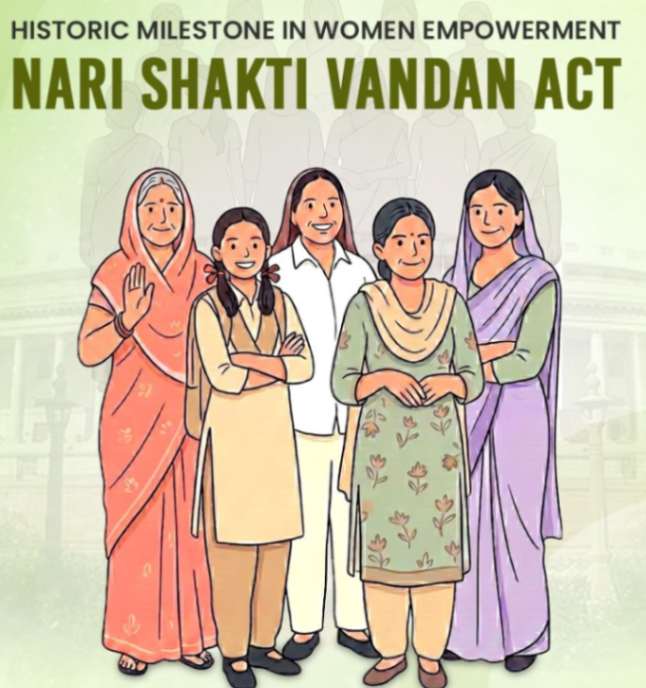

India is on the verge of one of its most significant political transformations. The Women’s Reservation Bill, which is officially known as the Nari Shakti Vandan Act, 2023. It promises to reshape representation and power dynamics. Consequently, it will have a great impact on the future of democracy.
But there’s more beneath the surface.
This reform is not just about 33% reservation for women. Furthermore, it is deeply linked with delimitation and census data. Further leading to Lok Sabha expansion. As a result, making it one of the most complex constitutional developments in recent times.
What is the Women’s Reservation Bill?
The Women’s Reservation Bill is a constitutional amendment aimed at reserving 33% of seats for women in:
- Lok Sabha (Lower House of Parliament)
- State Legislative Assemblies
Likewise, it also includes reservations within:
- Scheduled Castes (SC)
- Scheduled Tribes (ST)
This means one-third of all legislative seats will be allocated to women. Consequently, increasing their political representation.
Why it matters:
- Currently, women hold only around 14–15% of Lok Sabha seats
- This bill aims to more than double that representation
Key Features of the Women’s Reservation Act
1. 33% Reservation
One-third of total seats in Parliament and state assemblies will be reserved for women.
2. Inclusion Across Categories
Reservation applies within SC/ST categories as well.
3. Rotation System
Reserved constituencies will rotate over time. Thus ensuring broader participation.
4. Constitutional Backing
It was passed as the 106th Constitutional Amendment Act. Consequently, giving it a strong legal standing.
Why is Implementation Delayed?
Despite being passed in 2023, the bill has not been immediately implemented.
The reason:
Implementation depends on two conditions:
- Next Census
- Delimitation Exercise
What this means:
- No immediate reservation in the upcoming elections
- Implementation timeline remains uncertain
Political debate:
- Critics argue: Delay reduces impact
- Government argues: Proper data is needed for fairness
What is Delimitation in India?
Delimitation refers to the process of redrawing electoral constituency boundaries based on population data.
Why delimitation matters:
- Ensures equal representation
- Adjusts for population growth
- Determines the number of seats per region
Link with Women’s Reservation Bill:
The bill will only be implemented after delimitation, making this process critical.
Lok Sabha Expansion: 543 to 816 Seats?
One of the most significant proposals linked to this reform is the expansion of Lok Sabha seats.
Current:
- 543 seats
Proposed:
- Up to 816 seats (approx. 50% increase)
Why is expansion being considered?
- Population growth
- Need for better representation
- Balancing regional disparities
Impact:
- More MPs
- More constituencies
- Larger political restructuring
North vs South Divide Explained
This is one of the most sensitive aspects of the reform.
Population-based seat allocation:
If seats are redistributed based on population:
Northern states gain:
- Uttar Pradesh
- Bihar
- Madhya Pradesh
- Rajasthan
Southern states face relative decline:
- Tamil Nadu
- Kerala
- Karnataka
- Andhra Pradesh
- Telangana
Why?
- North → Higher population growth
- South → Better population control
Result:
- Potential political imbalance
- Rising federal tensions among the north and south states.
The Delimitation Freeze: Historical Context
India froze delimitation based on population in the 1970s (1971 Census).
Why was it frozen?
To encourage:
- Population control
The logic:
States that controlled population should not lose representation.
Now:
After 50 years, this freeze may be lifted.
👉 This makes the current reform structurally historic
Problems with Using 2011 Census Data
The government is reportedly considering using 2011 Census data instead of waiting for a new census.
Issues with this approach:
- Outdated population data
- Rapid urbanisation is not reflected
- Migration patterns ignored
- Post-COVID demographic shifts are missing
Risk:
- Misrepresentation of constituencies
- Unfair political distribution
Political & Social Impact of Women’s Reservation Bill
1. Increased Women’s Representation
- From ~15% → 33%
- Massive inclusion boost
2. Better Governance
Studies show women leaders focus more on:
- Education
- Healthcare
- Welfare
3. Policy Diversity
- Broader perspectives in decision-making
4. Social Transformation
- Encourages women’s participation
- Breaks gender barriers
Criticism & Challenges
1. Delayed Implementation
- Critics call it “symbolic without urgency.”
2. Rotation System Issues
- Frequent constituency changes
- Impacts political continuity
3. Caste Census Factor
The upcoming census may include caste data. Thus leading to the following consequences:
- Demand for the OBC quota within the women’s reservation
- Sub-quota debates
4. Political Strategy Concerns
Some argue:
- Reform is being timed strategically
- Implementation linked with political calculations
Why This Reform is Historic
This is not just a gender reform in its agenda. Comparatively, it is a structural political shift.
Combined impact of:
- Women’s reservation
- Delimitation
- Seat expansion
It will:
- Redraw electoral map
- Shift political power
- Change representation patterns
- Influence Indian politics for decades
Comparison: Before vs After Bill
| Factor | Before | After (Proposed) |
| Women Representation | ~15% | 33% |
| Lok Sabha Seats | 543 | Up to 816 |
| Delimitation | Frozen | Likely restart |
| Political Balance | Stable | Potential shift |
Conclusion
The Women’s Reservation Bill is a long-awaited and necessary reform aimed at strengthening India’s democracy. However, its true impact depends on timely and fair implementation.
While it promises greater inclusion and representation, the linkage with delimitation and census introduces complexity and delay. Similarly, it is political sensitivity, too.
India today stands at a turning point.
If executed correctly, this reform can:
- Empower women
- Balance representation
- Strengthen democracy
If delayed or mismanaged, it risks becoming another missed opportunity in political history.
FAQs
What is the Women’s Reservation Bill?
It is a law reserving 33% of seats in the Lok Sabha and state assemblies for women.
When will it be implemented?
Only after the census and delimitation are completed.
Why is delimitation required?
To ensure fair seat distribution based on the updated population.
How many seats will women get?
One-third of the total seats across legislatures.