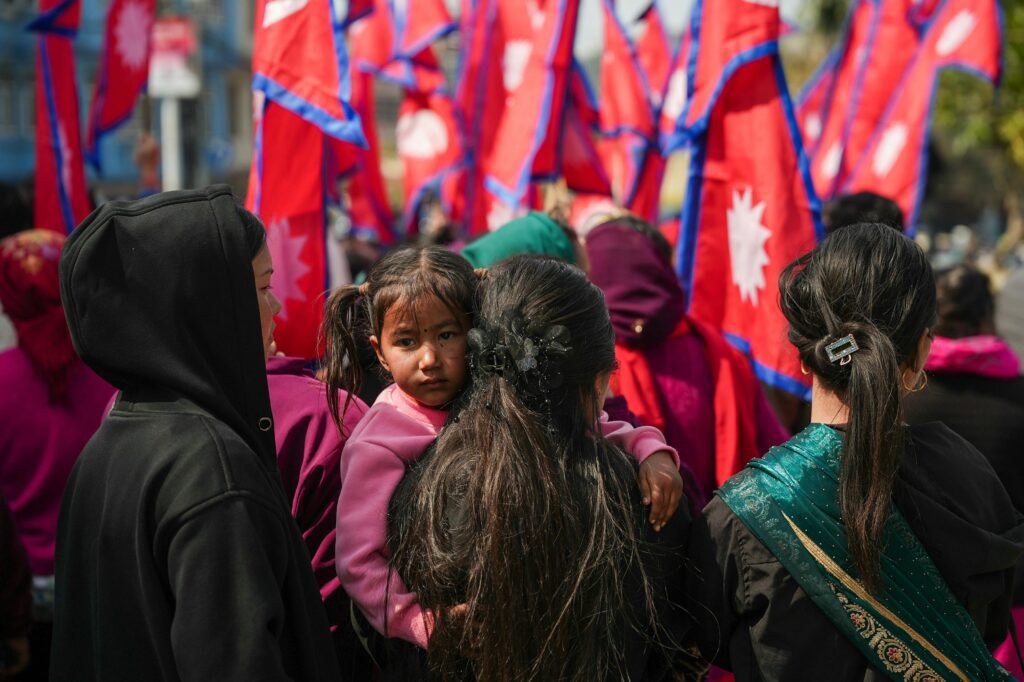

On 13 March 2026, Balendra Shah’s party won in a landslide victory. The result was stunning. It was historic. And for India, it’s one of the new beginnings.
A Political Earthquake in Nepal
Nepal has a median age of around 25 years, making it a young and restless country. The population is tired of the old guard and frustrated with politicians and their families reaping all the benefits.
Balendra Shah joined the Rastriya Swatantra Party (RSP) just six weeks before the elections. However, he received overwhelming support. The message was clear: Nepal’s young people are not interested in traditional figures; they want results. Currently, there is a strong anti-establishment sentiment across Nepal.
What does the younger electorate really want?
- Jobs: They wantreal ones. They do not want to migrate to Gulf countries.
- Governance reforms: The demand is for less corruption in the institutions. They are seeking better delivery.
- Economic growth: The requirement is for growth that is faster, visible, and tangible.
This isn’t just a political shift. It’s a generational shift. It is breaking all the old ideology. In other words, Nepal is moving from ideology-driven politics toward development-driven governance. That distinction matters enormously for India.
Why India–Nepal Relations Are So Deep
Let’s be honest about something. India and Nepal aren’t just neighbours. They’re intertwined in ways most bilateral relationships aren’t.
| Area | Reality |
| Petroleum supply | India supplies almost all of Nepal’s petroleum. |
| Hydropower exports | Nepal’s power exports go mainly to India. |
| Trade & transit | Nepal depends on Indian routes for most goods. |
| Border | Open border — free movement, no visa required |
| Cultural ties | Shared religion, language, and family networks |
This interdependence is deep. It’s structural. It won’t change with one election, most importantly, how India engages with the new Nepal that can change. It is the most important question.
The China Factor: Strategic Urgency
Here’s the part India cannot ignore.
China funded the Pokhara International Airport to the tune of $216 million. That’s one project. One signal. The message? China is investing in Nepal’s future. In addition, it’s doing so visibly.
Nepal has always balanced India and China. That’s not new. But with a new development-hungry government in Kathmandu, infrastructure diplomacy will intensify. Roads. Airports. Digital networks. Energy corridors.
India has an advantage. Geography. Culture. History. Open borders. But advantages mean nothing without action.
The Old Wounds That Still Hurt
It is important to look at the past before moving forward.
The 2015 India–Nepal blockade still stings in Nepali public memory. It created real suffering. Fuel shortages. Medicine shortages. It fed the narrative that India uses proximity as a form of pressure. They accuse India with big brother syndrome.
Add to that the British-era treaties. Sovereignty sensitivities. Political mistrust accumulated over decades. These are real. They shape public opinion. In other words, they shape policy.
The good news? This election, India was not an election issue. That’s significant. India stayed out of the campaign noise. Quiet diplomacy worked. Goodwill, which is cautious but real, exists.
The Opportunity India Cannot Waste
The new Nepal government faces enormous pressure. Youth expectations are sky-high. Delivering jobs and governance won’t be easy.
That’s where India can step in. Strategically. Genuinely.
Areas for deeper cooperation:
- Hydropower — Nepal has massive potential. India needs clean energy. This is mutual.
- Digital connectivity — Nepal’s young population is tech-hungry. India’s digital infrastructure experience is unmatched.
- Trade and investment — Simplify processes. Reduce barriers. Make it easier for Nepali businesses to connect with Indian markets.
- Sub-regional connectivity — Connect Nepal into the broader South Asian growth story. BBIN corridors. Rail links. Border trade infrastructure.
These aren’t charity. These are shared interests. Those framing matters.
The Shift India Must Make
Traditional diplomacy won’t work with a Gen Z government. The old model of political engagement through established elites is gone. Those elites just lost their grip in the country. The September agitation showed this quite clearly.
The required shift is straightforward:
- From political engagement → to economic cooperation
- From strategic competition → to shared growth
- From treaty-based frameworks → to people-centric partnerships
Nepal’s new leadership speaks the language of development. India must learn to speak it too.
Conclusion: A New Chapter Begins
13 March 2026 wasn’t just Nepal’s election day. It was the start of a new era. For Nepal. And for India–Nepal relations.
The Gen Z revolution in Nepal is a strategic opportunity. India can modernize bilateral ties. Build genuine trust. Become the partner Nepal’s youth want, not the neighbour they’re wary of.
The window is open. It won’t stay open forever.
What’s your take — can India seize this diplomatic moment, or will old habits slow it down? Drop your thoughts below. 👇